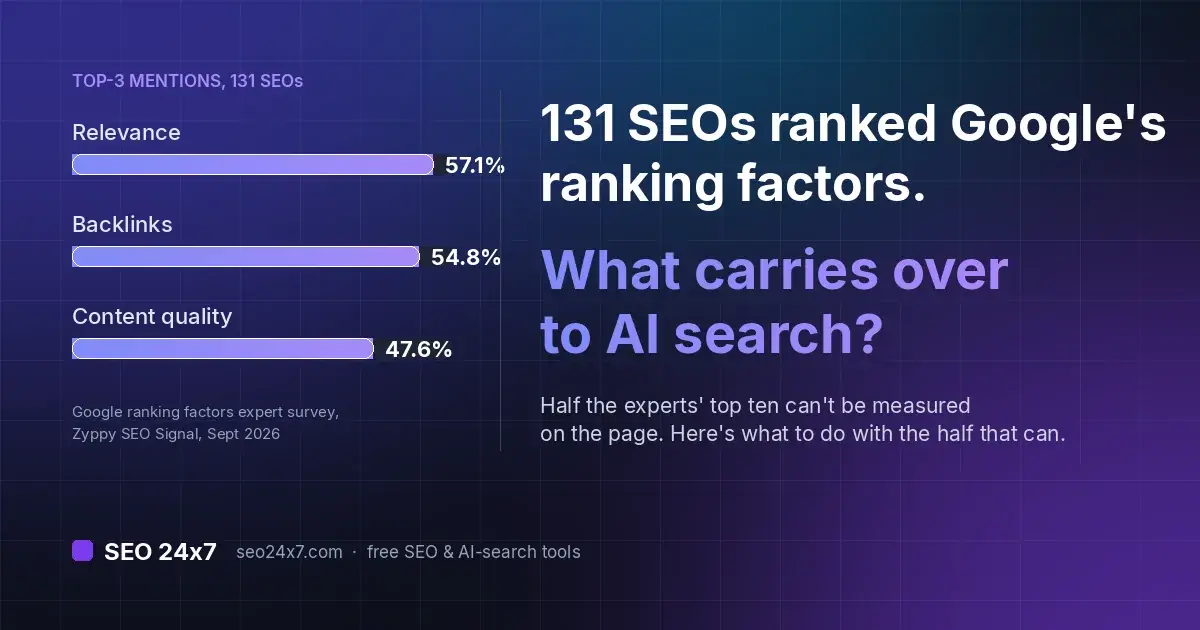
131 SEOs Ranked Google's Ranking Factors. Here's What Carries Over to AI Search
131 SEOs ranked Google's ranking factors in Zyppy's 2026 survey. Half the top ten can't be measured on the page. What transfers to AI search, and what to do next.
16articles on SEO, GEO and AI search.
Baselines, control periods, annotation and confidence limits: the measurement method that makes an SEO or GEO result hold up when someone checks it.
Read article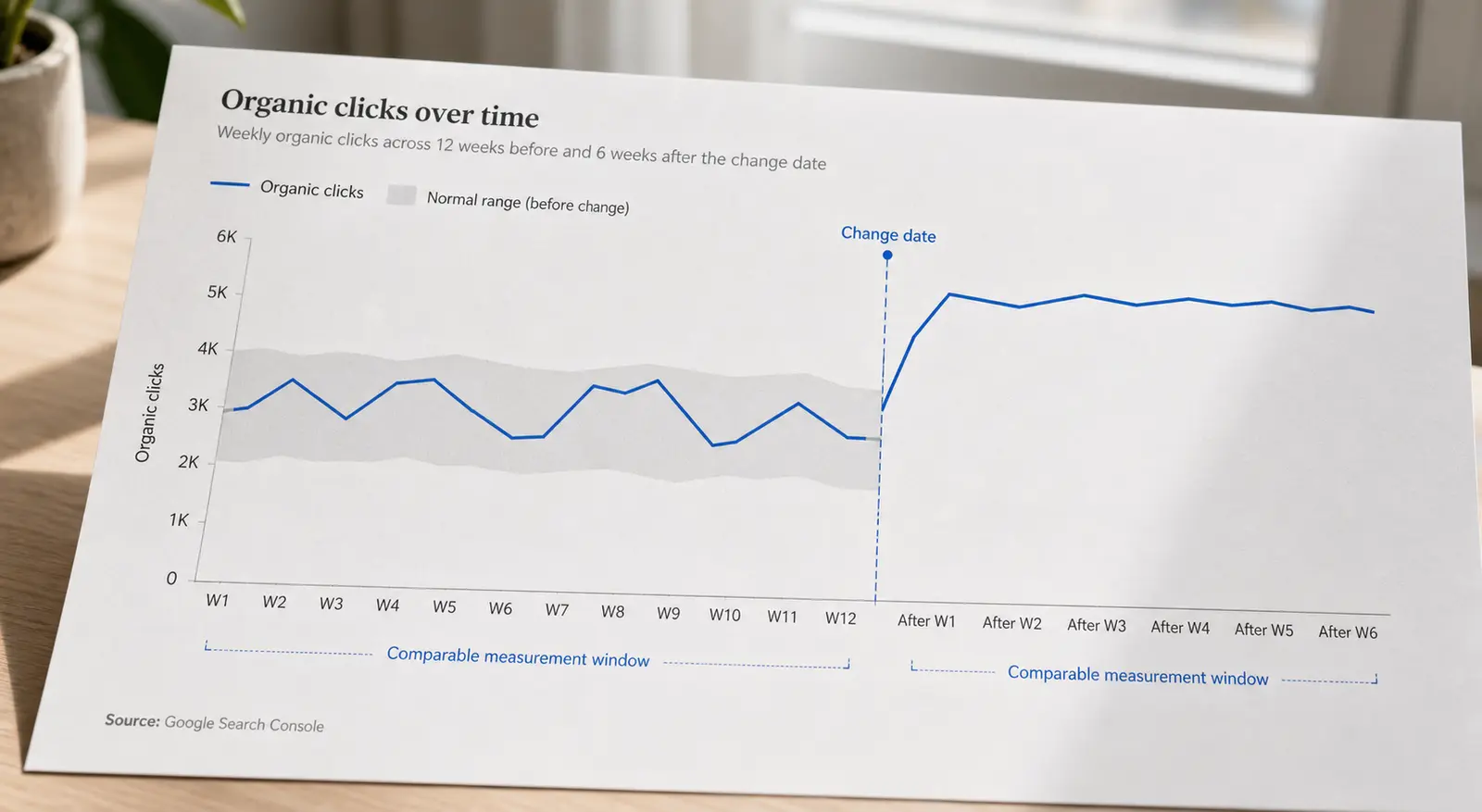
131 SEOs ranked Google's ranking factors in Zyppy's 2026 survey. Half the top ten can't be measured on the page. What transfers to AI search, and what to do next.
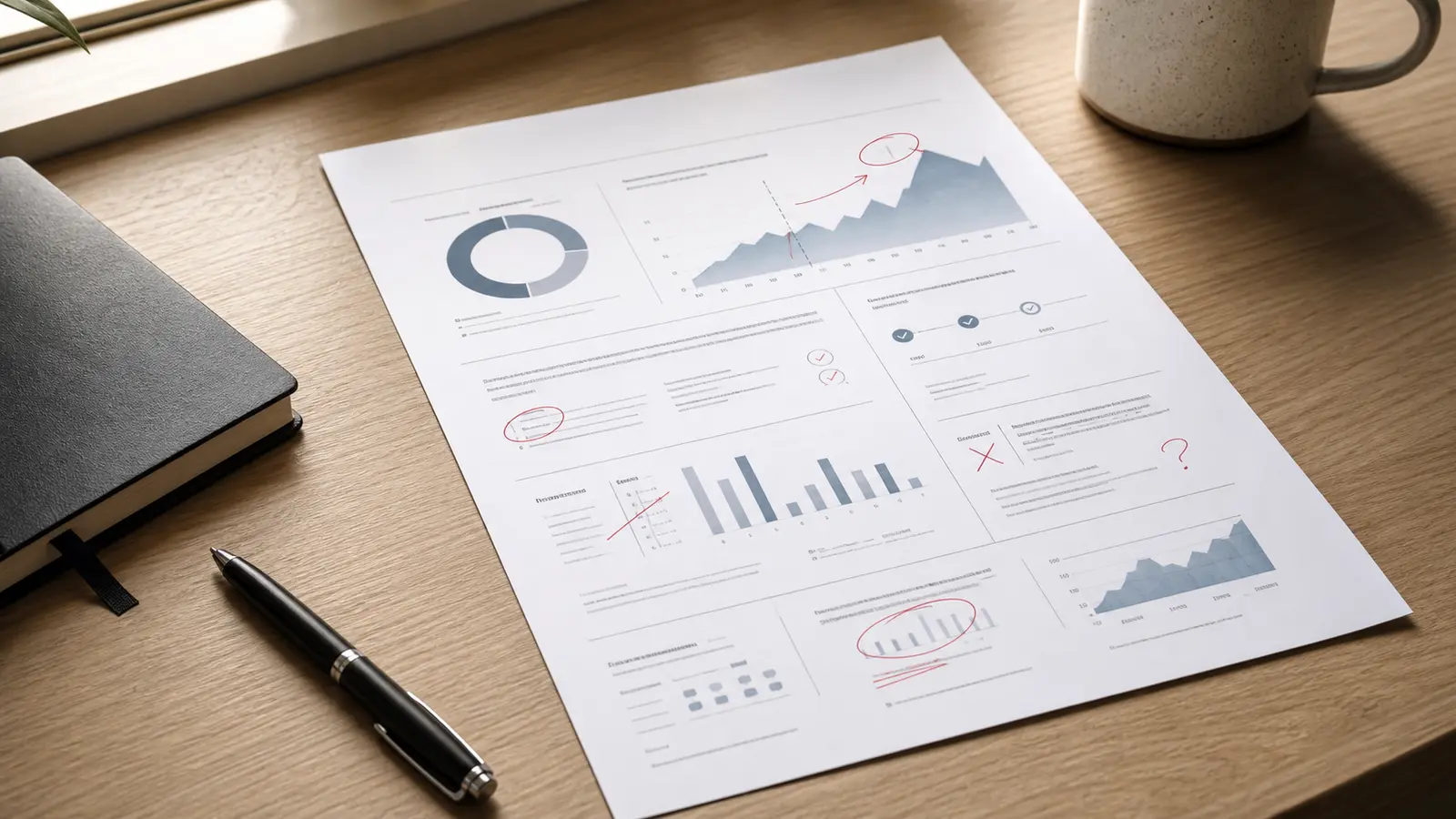
Most SEO case studies fail on evidence, not writing. The six credibility failures that get them skipped, and the structure that survives scrutiny.
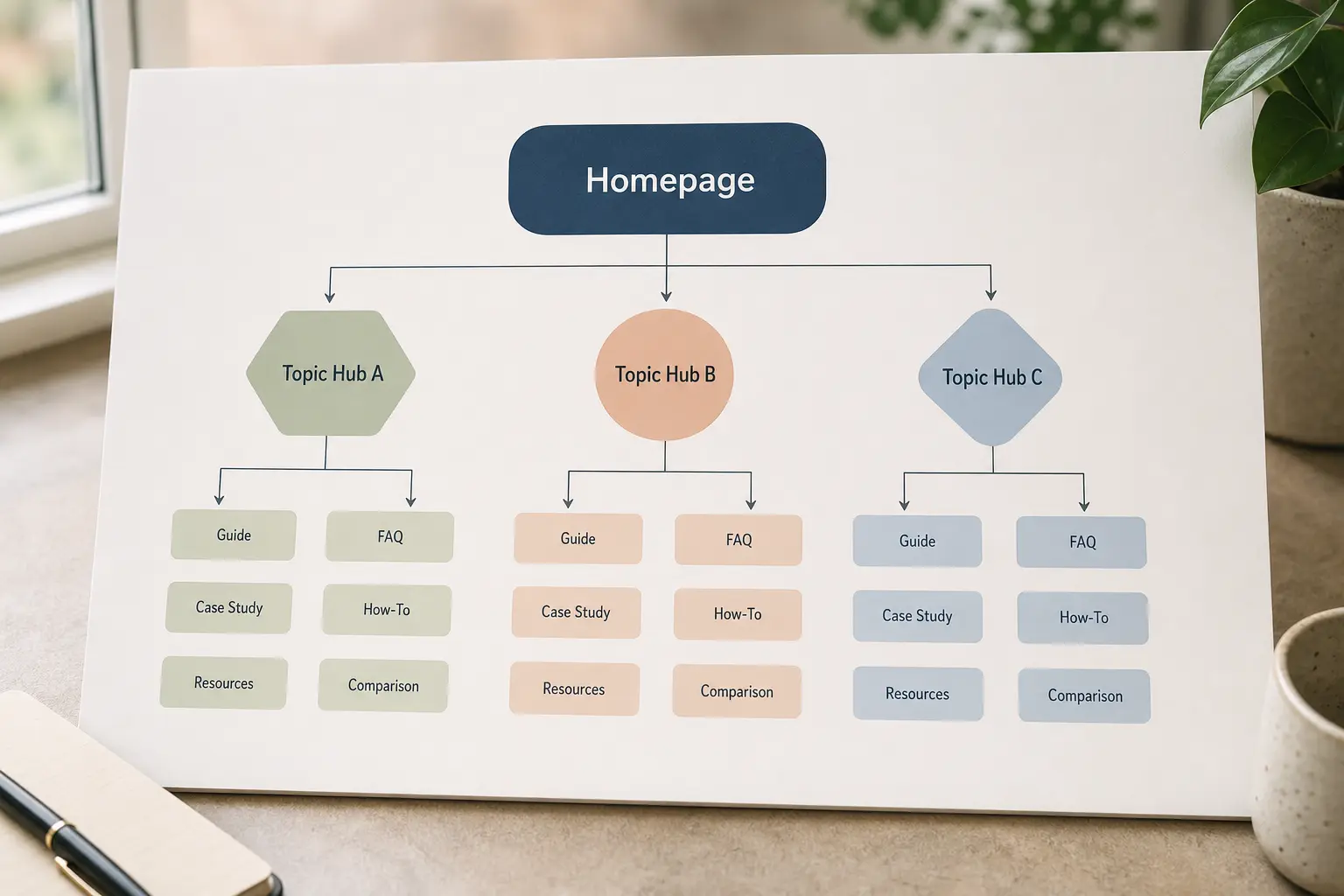
Learn how to structure internal links so authority flows to your priority pages, crawlers reach everything, and anchor text tells Google what ranks.
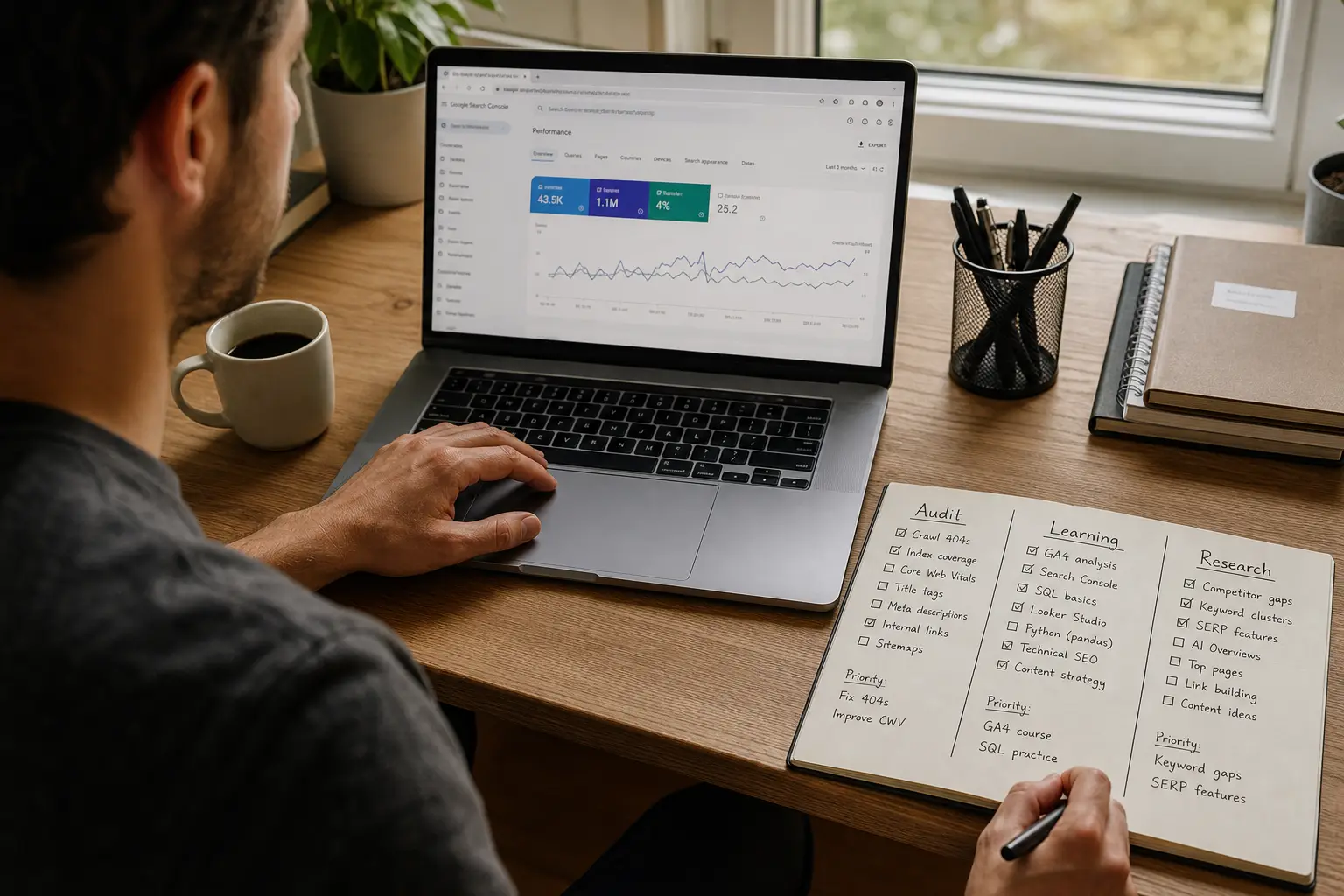
SEO 24x7 brings SEO professionals together with free tools and learning resources. See what the community offers, who it's for, and how to start taking part.
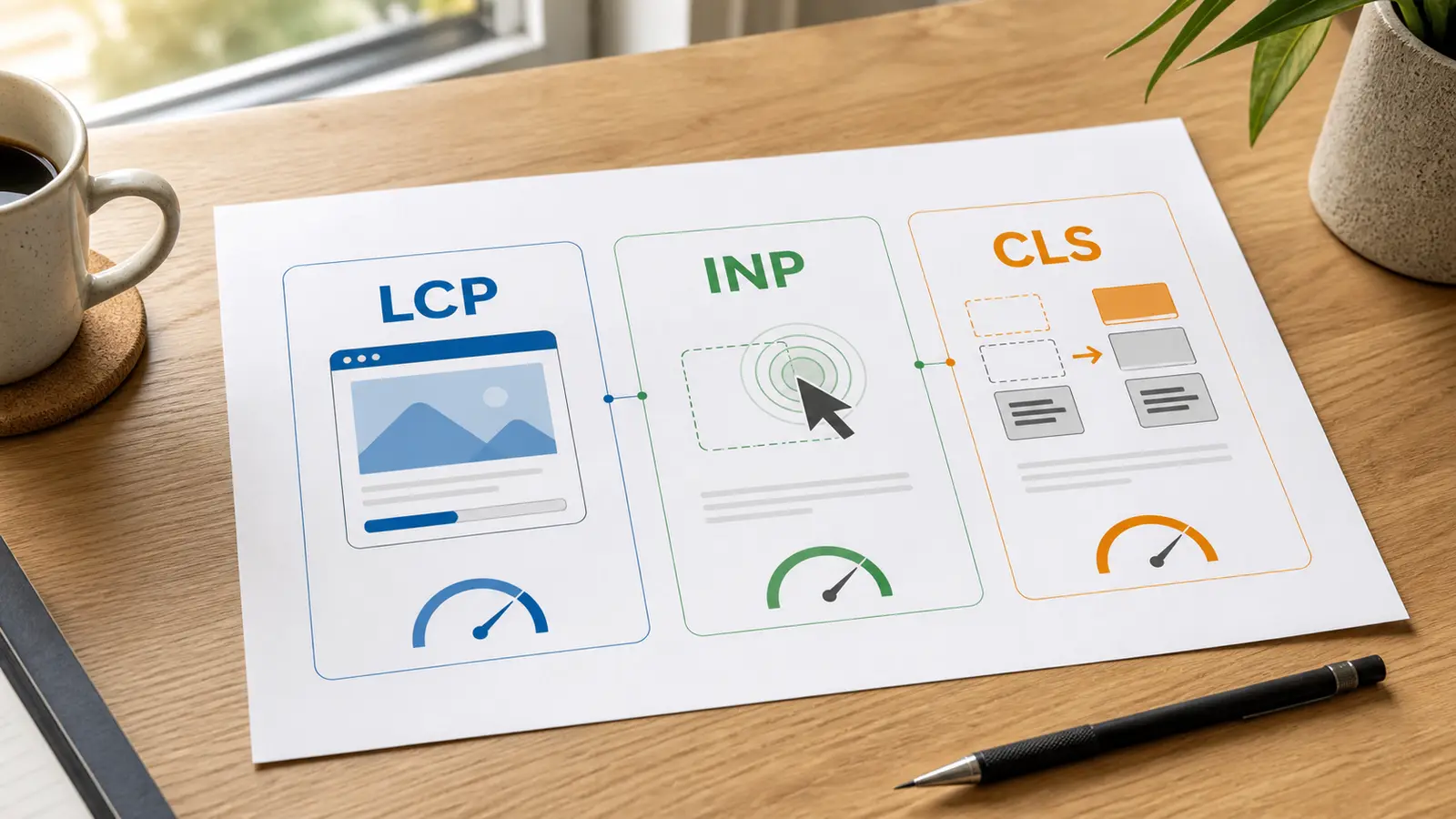
What LCP, INP and CLS measure, the exact thresholds Google uses, and the specific fixes that move each metric from failing to passing.
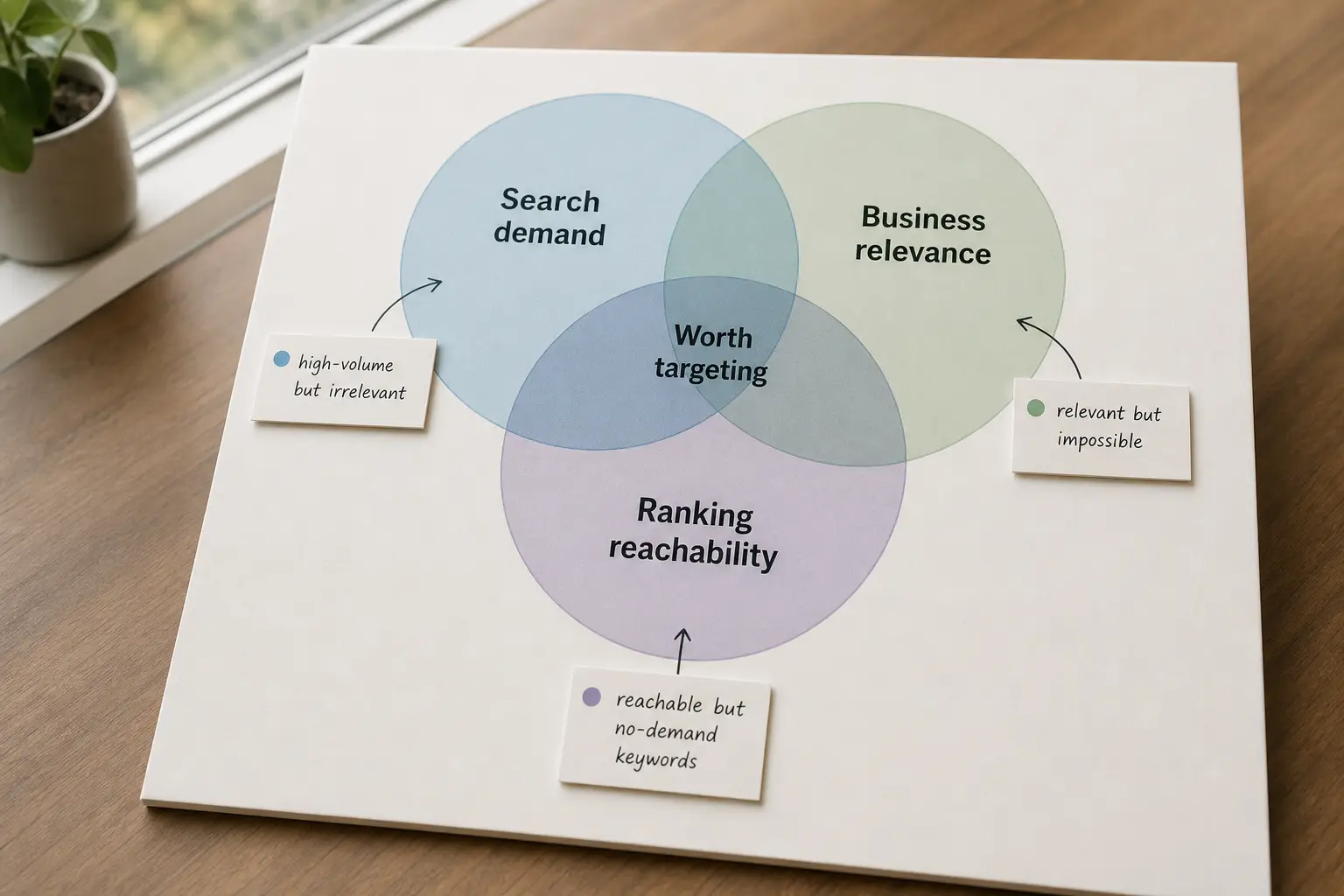
A repeatable method to discover, group and prioritise keywords by intent and difficulty, with a worked example and a page-mapping step you can copy.
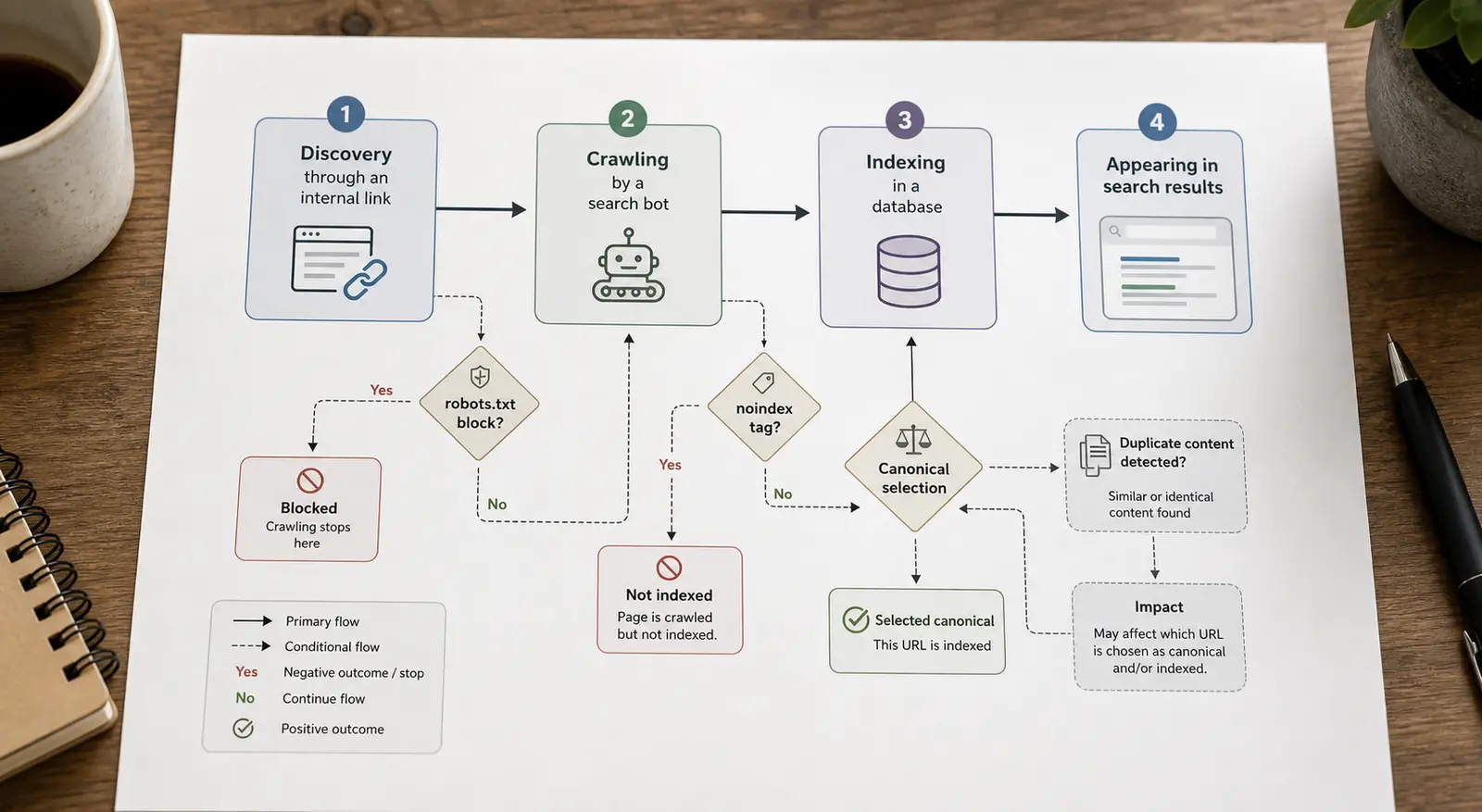
A plain-English SEO glossary from SEO 24x7. Definitions for canonical, crawl budget, LCP, INP, anchor text and the other terms you'll actually meet.

A structured SEO learning path that orders every topic from fundamentals to advanced practice, with what to learn first, how long it takes, and where to practice.
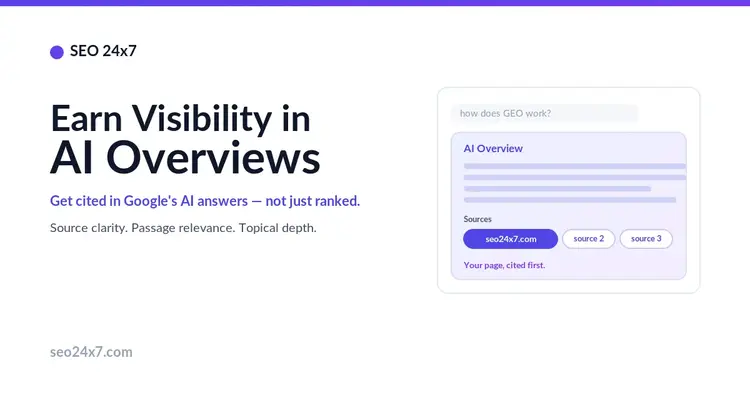
Ranking isn't enough — to appear in AI Overviews you have to be citable. The three signals that drive AI source selection, how to structure pages for them, and a practical audit to start today.
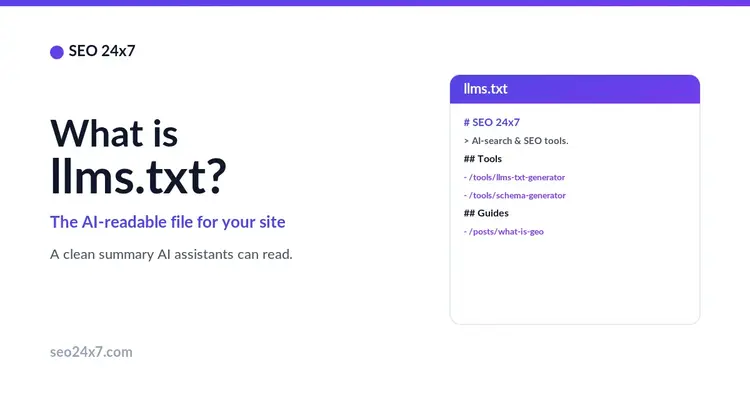
llms.txt is a simple Markdown file at your site root that gives AI assistants a clean, curated summary of your most important pages. What it is, why it helps GEO, and how to create one.
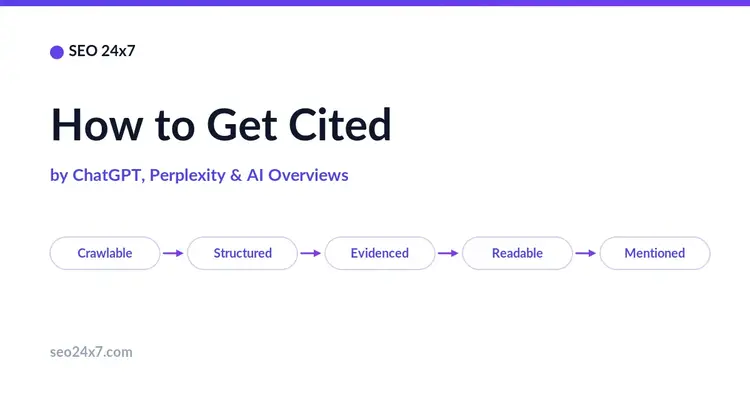
Want AI assistants to name your site as a source? A practical, platform-by-platform guide to getting cited by ChatGPT, Perplexity, Google's AI Overviews and Gemini.
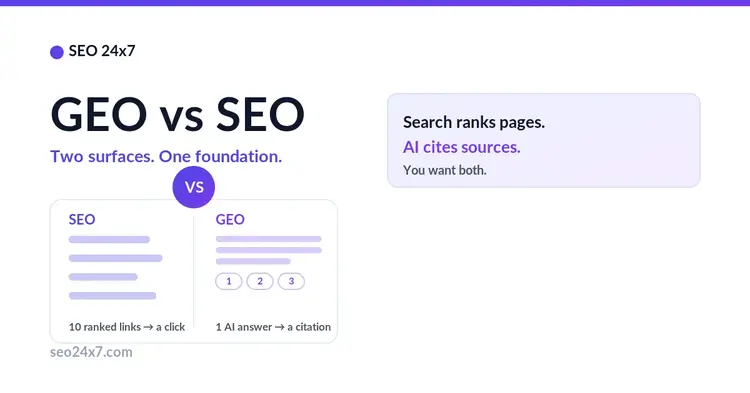
GEO optimises content to be cited in AI answers; SEO optimises it to rank in search results. Here's how generative engine optimization and search engine optimization differ — and why you need both in 2026.
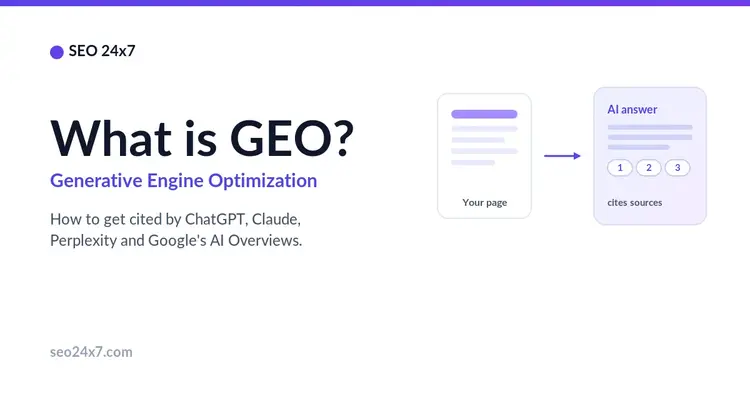
Generative engine optimization (GEO) is the practice of structuring your content so AI assistants like ChatGPT, Claude, Perplexity and Google's AI Overviews cite it. Here's what GEO is, how it differs from SEO, and how to start.
![[REVIEW] A Practical Pre-Publish Check for Any Page You Ship](/cdn-img/1600/72/_emdash/api/media/file/01KZE5Y17H4DHEB19VCA4GXHBR.png)
A repeatable QA pass to run before you hit publish: speed, on-page, SERP preview, schema, llms.txt and AI crawler access, with seven free tools.
![[REVIEW] Build a Public Track Record: Why Where You Publish Your Work Matters](/cdn-img/1600/72/_emdash/api/media/file/01KZE5N5S996JNS57ACYJTXFH5.png)
Work buried in closed groups and client decks can't be found, cited, or verified. Here's how indexed, attributed case studies compound into a career asset.